


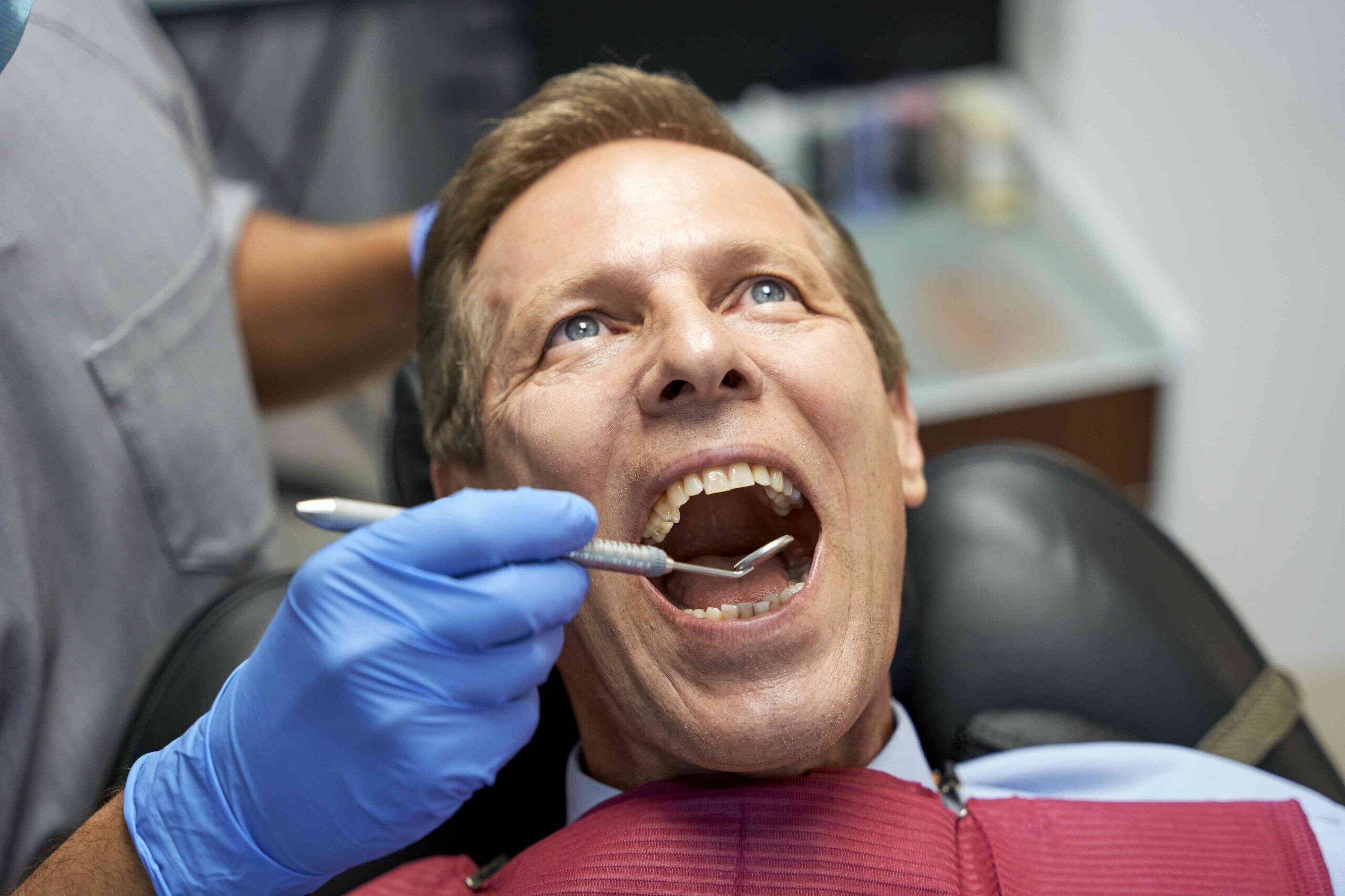
Invisalign may help selected teens and adults improve mild to moderate crowding, spacing, or bite concerns with removable clear aligners. Patients in Cornelius, NC, Davidson, NC, and Mooresville, NC should have their teeth, gums, bite, jaw comfort, cavity risk, and daily wear habits evaluated before treatment is planned. Clear aligners are not suitable for every case, so a dental exam helps determine whether this option or another orthodontic approach may fit.
Straighter teeth can affect more than the way a smile looks. A patient in Cornelius, NC may notice that crowded teeth are harder to floss, while someone in Davidson, NC may feel that small spaces change the balance of their smile. Another patient may feel unsure about traditional braces and want to understand if clear aligners could fit daily life.
Invisalign may be discussed after a dental evaluation. Clear aligners are made to guide teeth through planned movements, but the teeth and gums need to be checked first. The dentist should review cavities, gum health, bite pressure, jaw comfort, worn enamel, and previous dental work before recommending treatment. A good plan should also consider whether the patient can wear aligners consistently each day.
How Clear Aligners Move Teeth
Clear aligners are removable trays that fit over the teeth. Each set is shaped to guide teeth through small, planned movements over time.
Invisalign can be used for selected cases involving mild to moderate spacing, crowding, or bite concerns. The dentist needs to decide whether the tooth movements needed are suitable for aligner care.
The aligners are usually removed for meals, brushing, flossing, and drinking anything other than water. Since they are removable, patient consistency plays a major role in how treatment progresses.
Why an Exam Comes Before Treatment
A dental exam helps confirm whether the mouth is ready for tooth movement. Cavities, gum inflammation, loose teeth, or unstable restorations may need attention before aligners are started.
An Invisalign consultation may include photos, X-rays when needed, scans or impressions, bite review, and a discussion about patient goals. These details help the dentist understand both the smile and the health behind it.
Patients from Mooresville, NC should share any history of jaw pain, grinding, clenching, or past orthodontic treatment. These factors can affect planning and timing.
What Clear Aligners May Help With
Clear aligners may help selected patients with small gaps, mild crowding, rotated teeth, or certain bite concerns. The exact plan depends on the tooth position and how the upper and lower teeth meet.
For some patients, Invisalign treatment may also make cleaning easier once crowded areas improve. Teeth that overlap can trap plaque and make flossing more difficult.
Not every case is simple. A tooth may look slightly crooked but require complex movement, so a full evaluation is needed before planning.
When Aligners May Not Be the Best Fit
Clear aligners are not right for every orthodontic need. Severe crowding, major bite problems, impacted teeth, jaw growth concerns, or complex rotations may need braces or specialist guidance.
Some patients ask about Invisalign braces because they want the benefits of orthodontic care with a less visible option. The dentist should explain that clear aligners and braces work differently, and one may fit certain cases better than the other.
A careful recommendation should be based on the mouth, not only on the patient’s preference. Honest planning helps avoid unrealistic expectations.
Planning the Aligner Sequence
During planning, scans or impressions help create a model of the teeth. The dentist can use this information to map out stages of movement.
The second use of invisalign consultation fits here because the planning visit should explain timing, wear expectations, attachments, and what kinds of changes may be possible. Patients should leave with a clear understanding of the process.
The number of aligners varies by case. Some plans are shorter, while others need more stages and follow-up visits.
How Aligners Compare With Braces
Traditional braces are fixed to the teeth and can be useful for many types of tooth movement. Clear aligners are removable and can make brushing and flossing easier.
Some patients compare invisalign braces because they want straighter teeth without brackets and wires. The best choice depends on alignment needs, bite, gum health, and how reliably the patient can wear removable trays.
Braces may be better for certain complex cases. Aligners may be suitable when the needed movements match what the trays can predictably guide.
Comfort and Pressure During Treatment
A new set of trays may feel snug or create pressure. This can happen as the teeth begin moving into the next planned position.
Pressure should not feel severe pain. If a tray will not seat properly, cracks, or causes a sore spot that does not improve, the dentist should be contacted.
Patients should not force trays that clearly do not fit. Fit issues can affect tracking and may need to review.
Follow-Up Visits and Tracking
Follow-up visits help the dentist check whether teeth are moving as planned. The dentist may also check gum health, cavities, tray fit, and bite changes.
During invisalign treatment, patients may be asked to bring current and previous trays to visits. This can help the dentist understand how the aligners are fitting.
If teeth are not tracking well, the plan may need refinement. This is a normal part of monitoring in some cases.
Retainers After Tooth Movement
Teeth can shift after orthodontic movement. Retainers help hold the new tooth positions after active treatment is complete.
A patient in Mooresville, NC should understand the retainer plan before starting aligners. Retention is part of the overall process, not an extra step to ignore.
If a retainer is lost, cracked, or no longer fits, it should be reviewed promptly. Waiting can allow teeth to move.
What Clear Aligner Care May Help With
For suitable patients, clear aligners may support tooth position, cleaning access, and smile goals.
They may help:
- Close selected small spaces
- Improve mild to moderate crowding
- Guide certain rotated teeth
- Support easier cleaning in crowded areas
- Improve selected bite concerns
- Offer a removable orthodontic option
- Make flossing easier than fixed brackets
- Support planned cosmetic or restorative care
- Create a retention plan after movement
- Results depend on case complexity, oral health, wear time, gum support, bite, and follow-up care.
Questions to Ask Before Starting
Patients should ask whether their case is mild, moderate, or complex. They should also ask how often trays should be worn, how long treatment may take, and what happens if a tray is lost.
It is helpful to ask whether any cavities, gum care, or dental repairs should happen first. This can prevent delays after treatment begins.
Patients should also ask about retainers, cleaning instructions, and how often progress will be checked. Clear answers make the process easier to follow.
What to Expect Before During and After Care
Before care begins, the dentist reviews tooth alignment, bite, gums, cavities, restorations, jaw comfort, and daily habits. Scans, photos, X-rays, or impressions may be recommended for planning.
During treatment, patients wear trays as directed, change aligners on schedule, clean their teeth and trays, and attend follow-up visits. The dentist monitors progress and makes adjustments if needed.
After treatment, retainers help maintain the new tooth position. Patients should report lost retainers, cracked trays, shifting, gum bleeding, or bite changes promptly.
Local Patient Review
“I wanted clear aligners but did not realize my bite, gums, and daily routine needed to be checked first. The visit helped me understand the full plan.”
Straighter Teeth Need a Healthy Starting Point
Clear aligners are beneficial for certain patients, but the optimal plan starts with healthy gums, stable teeth, a thorough bite assessment, and realistic daily wear expectations. For those near Cornelius, NC interested in whether this option aligns with their smile goals, Palmieri Dentistry offers an exam to review alignment issues and outline the appropriate next steps.
Frequently Asked Questions
How many hours a day are aligners worn?
Most plans require trays to be worn for most of the day. Your dentist will explain the schedule for your case.
Can I eat with clear aligners in?
Usually, no. Trays are typically removed for meals to avoid damage, staining, and trapped food.
Are aligners right for severe crowding?
Not always. Severe crowding or complex bite concerns may need braces, referrals, or another orthodontic plan.
Will clear aligners affect speech?
Some patients notice a short adjustment period. Speech often improves as the tongue adapts to the trays.
What happens if I lose a tray?
Contact the dental office for guidance. You may be told to wear a previous tray, move forward, or come in for review.
Do I need retainers afterward?
Yes, in many cases. Retainers help keep teeth from shifting after active tooth movement is complete.
Can I whiten my teeth during aligner care?
Ask your dentist first. Whitening timing depends on sensitivity, attachments, tray fit, and treatment goals.
What if a tray feels too tight?
Some pressure can be normal with a new tray, but severe pain or poor fit should be checked before continuing.
