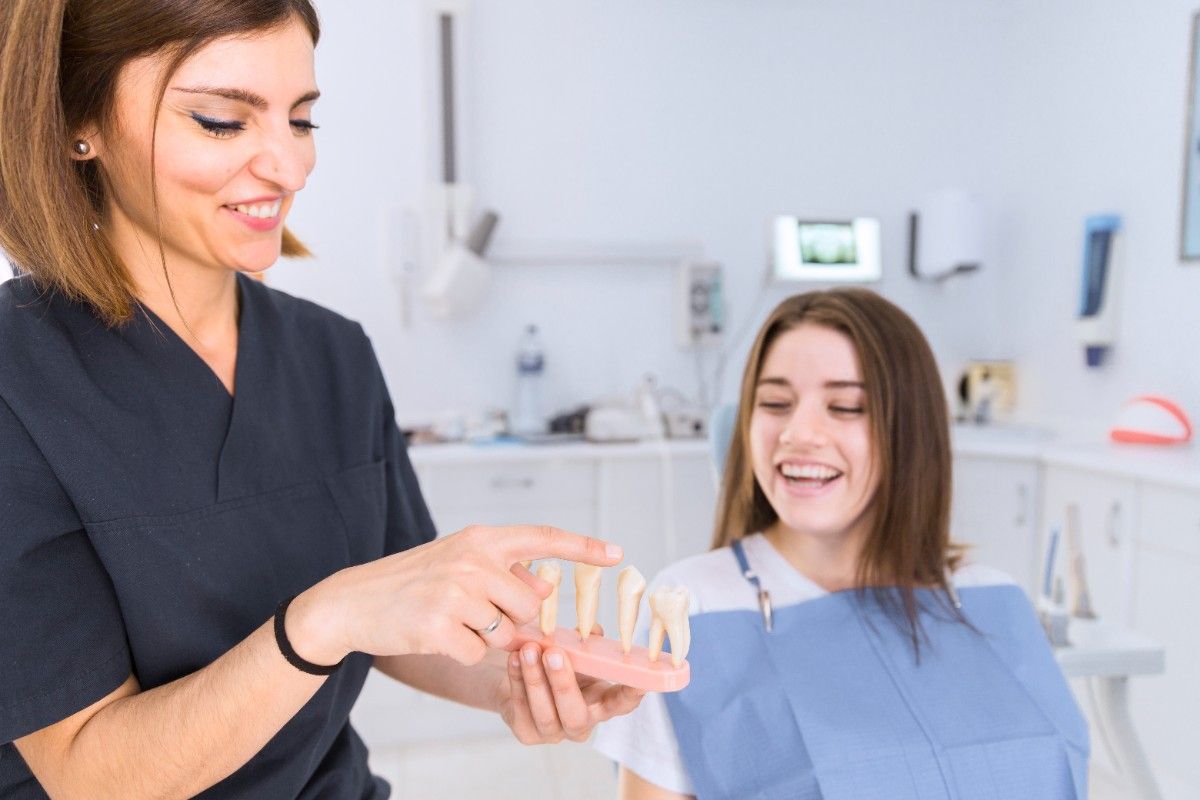
Daily chewing pressure, aging, grinding habits, and previous dental damage all place stress on natural teeth. Even relatively small fractures or weakened areas may gradually worsen when teeth continue absorbing force during normal activities.
For many individuals, treatment with a dental crown in Mooresville, NC is an important way to reinforce compromised teeth before structural damage progresses. Dental crowns are designed to cover weakened teeth and restore strength, stability, and long-term function while preserving the natural tooth whenever possible.
Protecting damaged teeth early often helps reduce the likelihood of more extensive restorative procedures later.
Fillings Are Not Always Enough
Fillings remain effective for many smaller cavities, but some teeth lose too much healthy structure to remain stable with fillings alone. Large restorations, fractures, severe enamel wear, or root canal treatment may leave teeth more vulnerable to cracking under everyday chewing pressure.
Crowns help distribute pressure evenly while reinforcing the tooth. This support often significantly improves long-term durability and chewing comfort.
Patients researching Dental Crown Mooresville, NC, want restorative treatment that protects weakened teeth without unnecessary removal.
Modern Crowns Blend Strength with Appearance
Dental crowns today are very different from older restorative options. Modern materials often allow restorations to blend more naturally with surrounding teeth while still supporting durability during everyday use.
Digital imaging and updated fabrication methods also improve precision, fit, and bite alignment compared to older crown techniques. Better fit often leads to greater comfort and more natural-looking results once treatment is complete.
Some individuals pursuing Dental Crown Mooresville, NC, are surprised by how closely modern restorations resemble healthy, natural teeth when properly placed.
Certain Symptoms May Indicate a Tooth Needs Additional Support
Not every damaged tooth requires a crown immediately, but several warning signs may suggest more protection is necessary.
Common situations that deserve professional evaluation include:
- Cracked or fractured teeth
- Large failing fillings
- Pain while chewing
- Significant enamel wear
- Teeth weakened after root canal therapy
- Persistent structural sensitivity
Early treatment may help preserve more of the healthy tooth structure before the damage worsens.
Bite Stability Plays an Important Role
Weakened teeth may gradually affect the balance of chewing pressure throughout the mouth. Uneven bite forces sometimes place additional strain on surrounding teeth and jaw structures, increasing wear patterns over time.
Treatment involving a dental crown in Mooresville, NC, often helps restore bite stability by strengthening compromised teeth and improving pressure distribution evenly. Patients frequently notice improved chewing comfort once damaged teeth regain structural support.
Maintaining stable bite function also helps protect neighboring teeth from unnecessary stress.
Crown Treatment Usually Happens in Stages
Receiving a crown generally involves more than one appointment. During the first phase, the tooth is evaluated carefully and prepared before digital scans or impressions are taken to create the final restoration.
Temporary restorations may sometimes be placed while the permanent crown is fabricated. Once completed, the final crown is adjusted carefully to improve fit, appearance, and bite comfort.
Patients considering Dental Crown Mooresville, NC, often appreciate treatment approaches that emphasize precision and long-term stability rather than rushing restorative work.
Oral Hygiene Still Matters After Crown Placement
Although crowns help strengthen damaged teeth, surrounding gums and neighboring teeth still require consistent preventive care. Long-term crown success depends heavily on maintaining healthy oral hygiene habits after treatment.
Helpful maintenance routines often include:
- Brushing thoroughly twice daily
- Flossing carefully around restorations
- Scheduling preventive cleanings regularly
- Monitoring bite discomfort early
- Addressing grinding habits if necessary
Patients who remain proactive with maintenance care often help significantly extend the lifespan of restorative treatment.
Restoring Teeth May Improve Daily Confidence
Visible fractures, worn teeth, or damaged enamel sometimes affect more than oral function alone. Some individuals feel hesitant to smile naturally or eat comfortably because of weakened teeth.
Restorative treatment often improves both physical comfort and emotional confidence during everyday interactions. Strengthening compromised teeth may allow patients to return to normal routines without constantly worrying about additional damage.
Inside restorative treatment discussions at Palmieri Dentistry, clinicians commonly focus on preserving natural teeth while balancing comfort, durability, and realistic long-term oral health goals.
Ongoing Maintenance Enhances Results
Even after crown placement, preventive dental care remains essential for maintaining oral stability. Teeth, gums, and bite patterns continue changing gradually over time, making ongoing monitoring important.
Routine evaluations help identify small concerns before they affect restorations or surrounding teeth. Consistent preventive habits also support stronger long-term oral health.
For individuals looking to strengthen weakened teeth while preserving natural function and appearance, Palmieri Dentistry continues to provide restorative dental care focused on comfort, durability, and healthier long-term smiles.
FAQs
What is a dental crown primarily used for?
Dental crowns are commonly used to strengthen and protect weakened or damaged teeth.
Can crowns improve both appearance and function?
Yes. Modern crowns are designed to restore natural aesthetics while supporting chewing stability.
Are crowns only recommended after root canal treatment?
No. Crowns may also help reinforce cracked teeth, worn enamel, or large failing fillings.
How long do dental crowns usually last?
Longevity varies depending on oral hygiene habits, bite pressure, and preventive maintenance routines.
Why do some individuals prefer crowns instead of removing damaged teeth?
some patients receiving care through Palmieri Dentistry, preserving natural tooth structure feels like a more stable and comfortable long-term restorative approach.